
Ekspansi Pasar Perikanan B2B2C - Strategi SEO & Ekspor
Transformasi digital strategis dan SEO perikanan untuk memperluas jangkauan ekspor B2B ke pasar global (Kanada, AS, Tiongkok) dan melipatgandakan penjualan B2C lokal dalam satu kuartal.
Tantangan
Perusahaan menghadapi tantangan ganda yang kompleks: menembus pasar ekspor B2B global yang sangat kompetitif sekaligus mendominasi segmen konsumen B2C lokal.
Mereka perlu memperluas jejak B2B ke Kanada, Amerika Serikat, dan Tiongkok, tetapi infrastruktur digital mereka yang ada menjadi penghambat. Hambatan utama meliputi:
-
Utang Teknis (Technical Debt): Kecepatan pemuatan halaman yang lambat dan masalah keterayapan (crawlability) parah yang mencegah mesin pencari mengindeks halaman-halaman penting.
-
Nihil Jejak Internasional: Tidak ada arsitektur lokal atau multibahasa untuk menangkap niat pencarian (search intent) global.
-
Otoritas Domain Rendah: Kurangnya backlink berkualitas tinggi dan otoritatif yang diperlukan untuk bersaing pada kata kunci tingkat perusahaan (enterprise).
Solusi: Merancang Pertumbuhan Global
Saya memelopori arsitektur digital “Global-Lokal”, menggabungkan optimasi frontend teknis dengan pembangunan entitas off-page yang agresif.
1. Technical SEO & Performa Web
Sebelum meningkatkan skala konten, fondasinya harus sempurna.
-
Optimasi Inti: Mengaudit dan merestrukturisasi DOM, menghapus skrip lama yang berat, dan mengoptimalkan pengiriman aset, memangkas waktu muat halaman sebesar 30%.
-
Indeksabilitas: Memperbaiki 100+ tautan rusak (broken links) yang kritis, menerapkan pemetaan pengalihan (redirect) 301 yang ketat, dan merancang peta situs (XML sitemap) dinamis untuk perayapan Googlebot yang mulus.
-
Arsitektur Data: Membangun ekosistem pelacakan yang kuat menggunakan Google Tag Manager (GTM) dan GA4 untuk melacak konversi makro (pengiriman formulir B2B) dan konversi mikro (klik marketplace).
2. Arsitektur Konten Multibahasa
-
Merancang struktur URL dan konten yang dilokalkan untuk melayani pasar spesifik (Bahasa Inggris untuk AS/Kanada, konten lokal untuk Tiongkok dan Indonesia).
-
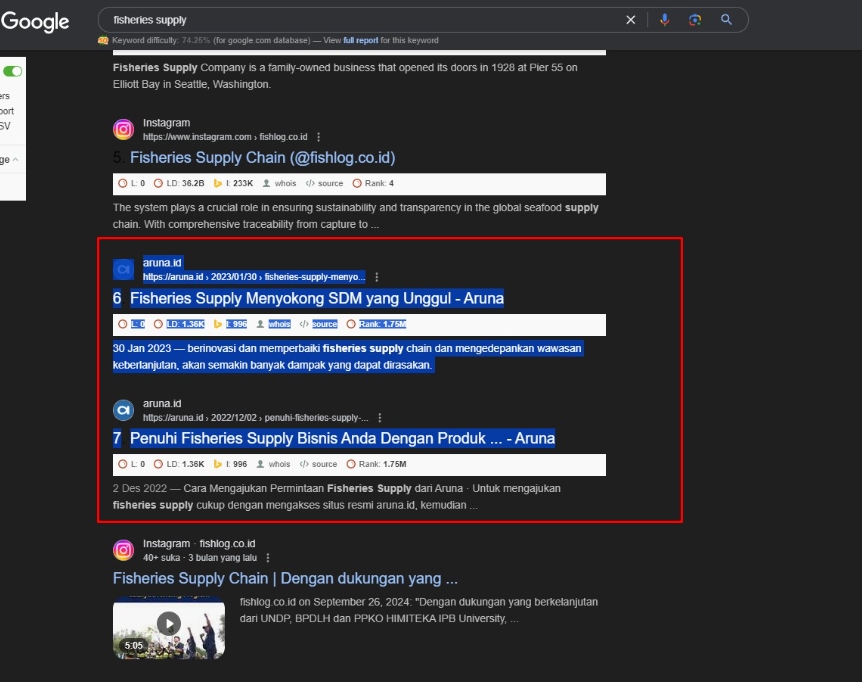
Menyebarkan klaster konten semantik di sekitar istilah komersial dengan niat pencarian tinggi (high-intent) seperti “sustainable fisheries supply” dan “B2B seafood distribution”.
3. Digital PR & Otoritas Entitas (Off-Page)
-
Strategi Wikipedia: Berhasil menulis dan mengamankan halaman Wikipedia yang diterbitkan untuk perusahaan tersebut. Sinyal otoritas masif ini memperkuat entitas merek di Google Knowledge Graph.
-
Mengamankan backlink kontekstual berkualitas tinggi dari publikasi maritim, keberlanjutan, dan perdagangan global.
Dampak: ROI yang Terukur
Sinergi antara performa web teknis dan SEO yang ditargetkan menghasilkan lonjakan pendapatan dan lalu lintas (traffic) yang masif di saluran B2B dan B2C dalam satu kuartal.
-
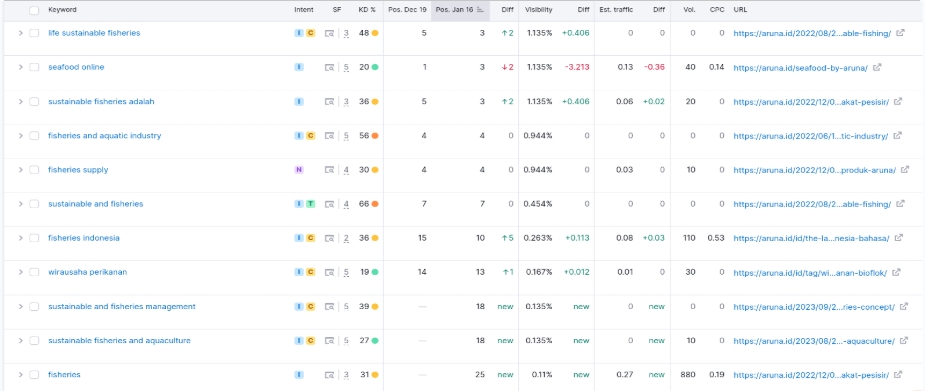
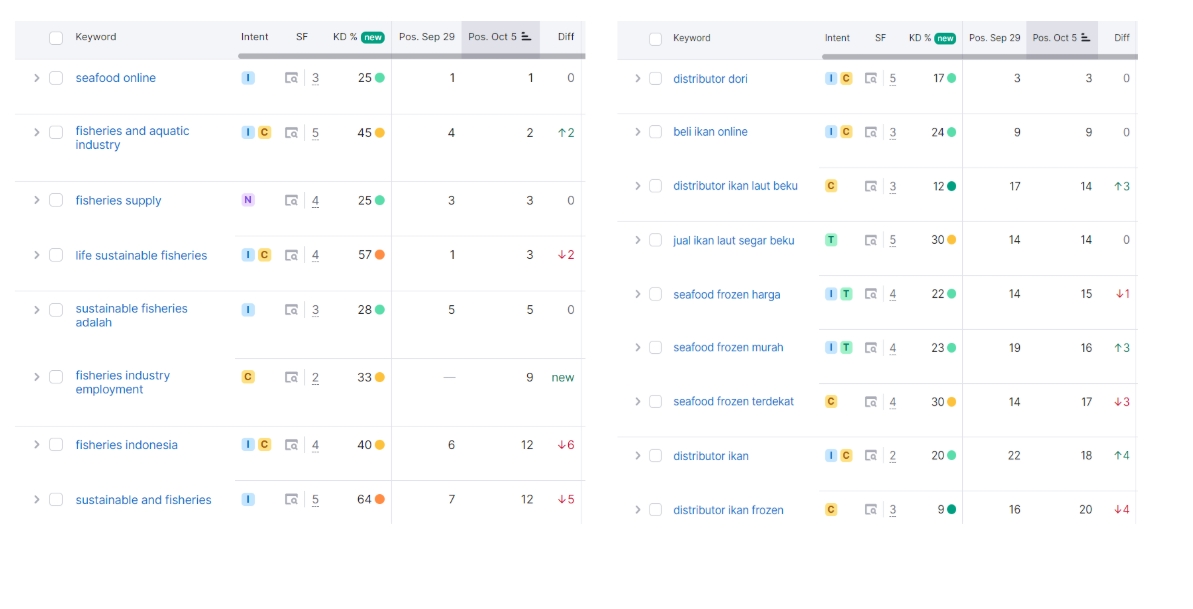
Ekspansi B2B Global: Menghasilkan 100+ prospek (leads) ekspor B2B berkualitas tinggi dan mendorong 10+ kata kunci industri dengan persaingan tinggi dari Halaman 15 ke Peringkat 1 (Top 1).
-
Lonjakan Traffic Organik: Meningkatkan keseluruhan lalu lintas web organik sebesar 70% hanya dalam dua bulan.
-
Dominasi Marketplace B2C: Didorong oleh strategi niat pencarian lokal, pendapatan marketplace (Tokopedia & Shopee) meningkat sebesar 100%, secara langsung melipatgandakan keseluruhan penjualan B2C.
Kesimpulan Utama
Penerapan ini membuktikan bahwa pertumbuhan yang berkelanjutan membutuhkan lebih dari sekadar kata kunci. Dengan memperlakukan SEO sebagai masalah rekayasa struktural - memperbaiki fondasi teknis terlebih dahulu, membangun arsitektur multibahasa, dan mengamankan otoritas entitas setingkat Wikipedia - kami mengubah situs web yang kinerjanya kurang baik menjadi mesin pendapatan global.
4. Pencarian Semantik & Optimasi Ekosistem AI
Selain pencarian tradisional, arsitektur ini sangat dioptimalkan untuk ekosistem pencarian berbasis AI (seperti ChatGPT dan Gemini). Dengan menerapkan data terstruktur tingkat lanjut dan optimasi entitas semantik, kami berhasil menangkap kueri perikanan global berniat tinggi seperti “commerce fisheries” dan “fisheries company indonesia”.
Strategi semantik berfokus geo ini memastikan merek tetap terlihat bukan hanya di SERP standar, tetapi juga di seluruh lapisan penemuan berbasis AI.